Dark Deals: The Temptation and Perils of Hidden Web Shopping


The dark web, an concealed part of the internet, has become a infamous marketplace for individuals seeking products and offerings outside the boundaries of conventional commerce. As individuals move through this hidden realm, they are often enticed in by the appeal of anonymity and the accessibility of items that are hard to find elsewhere. From digital currencies to illicit substances, the allure of dark web shopping is compelling, drawing a diverse variety of users looking to fulfill specific desires or break free from the boundaries of conventional shopping.
However, the dark web is fraught with risks that can overshadow its tempting offers. Buyers are frequently confronted with the threat for scams, law enforcement scrutiny, and the moral dilemmas associated with purchasing forbidden goods. As users delve deeper into the hidden network, they must weigh the convenience and excitement against the dangers that come with participating in a underground marketplace. In this investigation of dark web markets, we will analyze both the appealing attractiveness and the cautionary tales that are part of this underground economy.
Comprehending the Dark Web
The dark web is a segment of the internet that is not indexed by traditional search engines and requires designated software to reach. It operates on an encrypted network and is commonly associated with secrecy and confidentiality. dark market onion navigate this hidden dimension using tools like Tor, which helps to obscure their identification and whereabouts. This aspect of secrecy has led to both a fascination and a caution about what lies within.
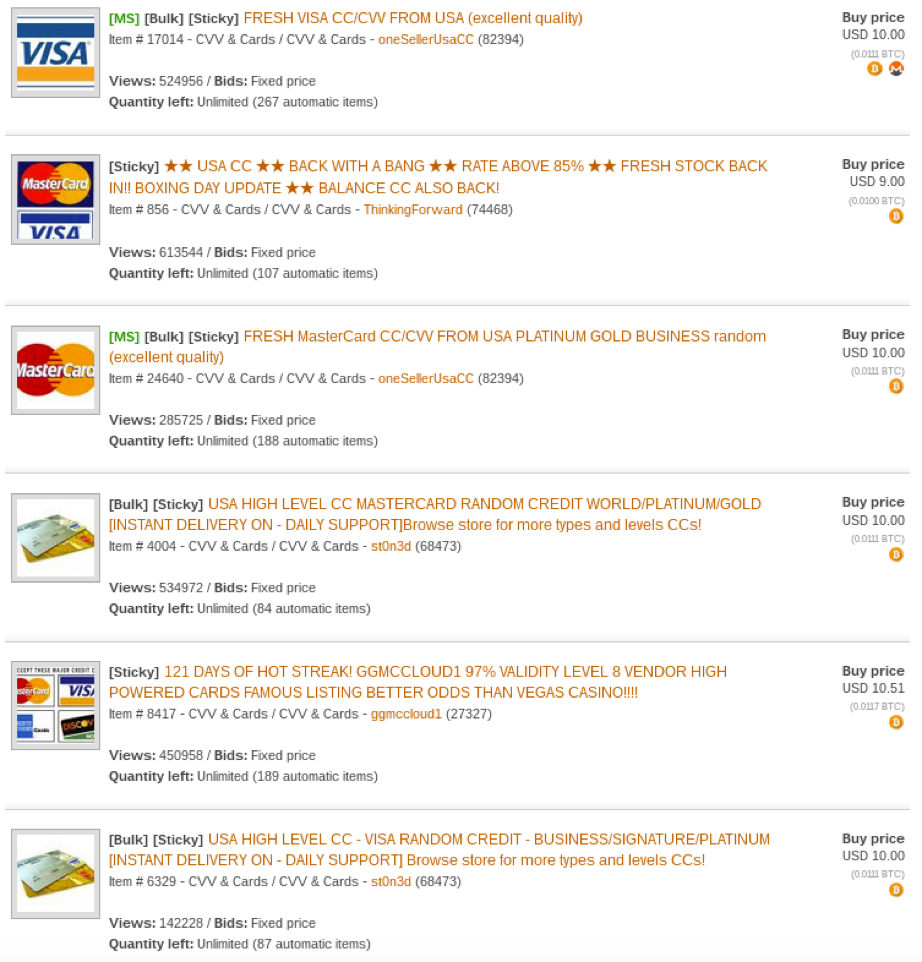
Darknet markets are online platforms that function within this dark realm, enabling the sale of different products and services, often outside legal boundaries. These markets can provide anything from virtual goods to forbidden drugs and stolen data. The allure for many is the promise of anonymity, allowing users to participate in transactions without fear of being tracked. However, this appeal is accompanied by substantial risks, including scams and the possibility for law enforcement to intervene.
While some individuals are drawn to the dark web for valid reasons, such as the need for confidentiality in oppressive regimes, the widespread nature of illegal activities complicates its reputation. Exploring dark web markets requires caution, as the danger of encountering malicious actors or facing legal consequences looms. Comprehending the dark web's complexities helps demystify its allure and offers understanding into the numerous risks associated with shopping in this concealed internet landscape.
The Appeal of Dark Web Shopping
The allure of deep web shopping lies in the potential of privacy and access to prohibited goods. Many users are drawn to the concept that their digital activities can remain confidential, enabling them to explore a platform free from the oversight of traditional law enforcement. This experience of independence can be intoxicating, attracting users who wish to test with products and services that are frequently hard to obtain through conventional means.
In addition to privacy, deep web markets often present a selection of unique items that cater to specific interests. From forbidden drugs and counterfeit IDs to hacking tools and rare collectibles, the breadth of offerings is vast. This large selection appeals to those seeking something outside the ordinary, fueling curiosity and the urge to obtain goods that may be viewed as taboo or illegal. The thrill of acquiring these products adds to the overall attraction, creating an exhilaration that is hard to replicate in standard shopping experiences.
Finally, the non-centralized nature of many dark web markets enhances their attractiveness. Buyers can often find numerous sellers vying for their business, leading to lower prices and mixed product quality. This contentious environment, combined with the possibility for accruing cryptocurrencies, makes dark web shopping an alluring option for those who cherish both cost and the thrill of navigating an underground economy. Despite the dangers involved, the mix of privacy, unique offerings, and competitive pricing keeps many people returning to these underground marketplaces.
Possible Threats and Repercussions
Participating in transactions on dark web markets can expose individuals to multiple legal dangers. Numerous items for sale are illegal, varying from controlled substances to illegally obtained data, and purchasing these goods can lead to legal charges. Law enforcement agencies around the world are increasingly watching darknet activity and have created advanced methods to track and apprehend individuals engaging in these illegal transactions. Therefore, the allure of anonymity can quickly turn into a liability for unsuspecting buyers.
Moreover, the nature of darkweb transactions often entails significant financial risks. Scams are rampant, with numerous sellers operating under deceptive pretenses. Consumers may pay for products that never arrive, or worse, meet vendors who provide counterfeit goods or imaginary items altogether. The absence of consumer protections in these markets can lead to lost funds that cannot be recovered, leaving buyers with minimal recourse.
In addition to legal and financial hazards, there are also profound personal security concerns associated with darkweb shopping. Users may inadvertently expose themselves to cyber threats, such as hacking, identity theft, or malware. Engaging with unfamiliar vendors can lead to unsafe situations, such as harassment or even violence in extreme cases. As the darkweb continues to evolve, the potential consequences of involvement in these markets grow ever more complex and dangerous.